
Eco Art
LIFE BELOW WATER
Bangkok, Thailand
email@gmail.com
Art as an Art of Dissent
Eco Art
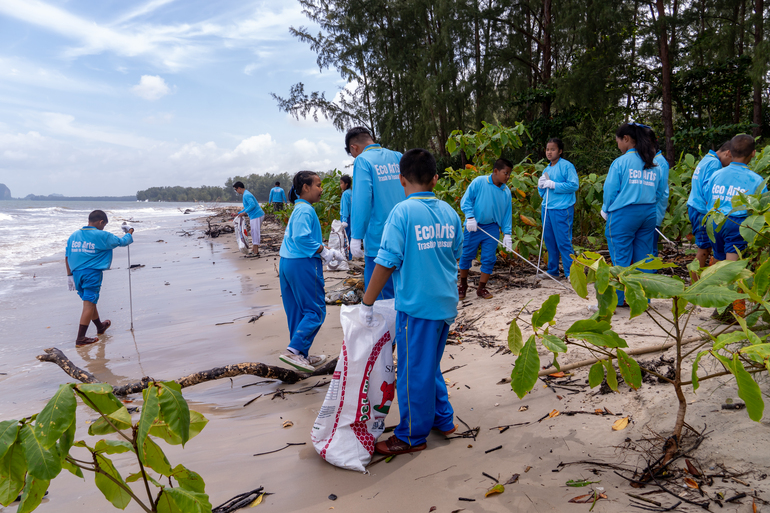
Eco Art is a youth-led initiative based in Bangkok, Thailand — using creativity to combat plastic pollution and inspire a new generation of environmental leaders.
Sustainable Development Goal 14 : Life below Water
WHO WE ARE
About Eco Art
Eco Art is a youth-led initiative based in Bangkok, Thailand. Created to address SDG Goal #14: Life Below Water, Eco Art aims to combat the growing issue of plastic pollution in Thailand which has persisted over the past decades. This initiative was founded on the belief that creativity can propel change, and so we aim to use art as a means to convey and urge others upon the harms attributed to the overconsumption of plastic that has been overlooked. Beyond environmental impact, we aim to inspire the younger generation to adopt this new approach in combating plastic pollution.

The Problem
In Thailand, a statistic from TDRI shows an average of 1.03 ton of mismanaged waste has been produced each year and 0.41 ton flows into the sea, plastic pollution has become a growing issue over the past decades, disrupting marine ecosystems and coastal communities across Thailand. At the local level, plastic pollution has led to health risks regarding microplastics entering the food chain through seafood, endanger marine life in coastal areas due to polluted shorelines, and hence deteriorate ecosystems and habitat loss of marine life in the coastal communities. Moreover, inadequate support to promote environmental awareness in tourism, along with proper education regarding waste management and effective sustainable solutions, further exacerbates this issue.

The Problem
In Thailand, a statistic from TDRI shows an average of 1.03 ton of mismanaged waste has been produced each year and 0.41 ton flows into the sea, plastic pollution has become a growing issue over the past decades, disrupting marine ecosystems and coastal communities across Thailand. At the local level, plastic pollution has led to health risks regarding microplastics entering the food chain through seafood, endanger marine life in coastal areas due to polluted shorelines, and hence deteriorate ecosystems and habitat loss of marine life in the coastal communities. Moreover, inadequate support to promote environmental awareness in tourism, along with proper education regarding waste management and effective sustainable solutions, further exacerbates this issue.

Our Approach
We use art as a means of raising awareness and an act of dissent towards the overconsumption of plastic. Beyond environmental impact, we aim to inspire communities to adopt new approaches to combating plastic pollution through creative expression.

Our Vision
We envision a future led by environmentally conscious individuals who use creativity to promote sustainable acts and values across society. We aim to promote intergenerational learning and community-led change.

Our Mission
To educate and empower the younger generation to use their artistic capabilities to turn awareness into actions, and support their journey in becoming future environmental leaders.
MATERIALS COLLECTED
Our Impact in Numbers
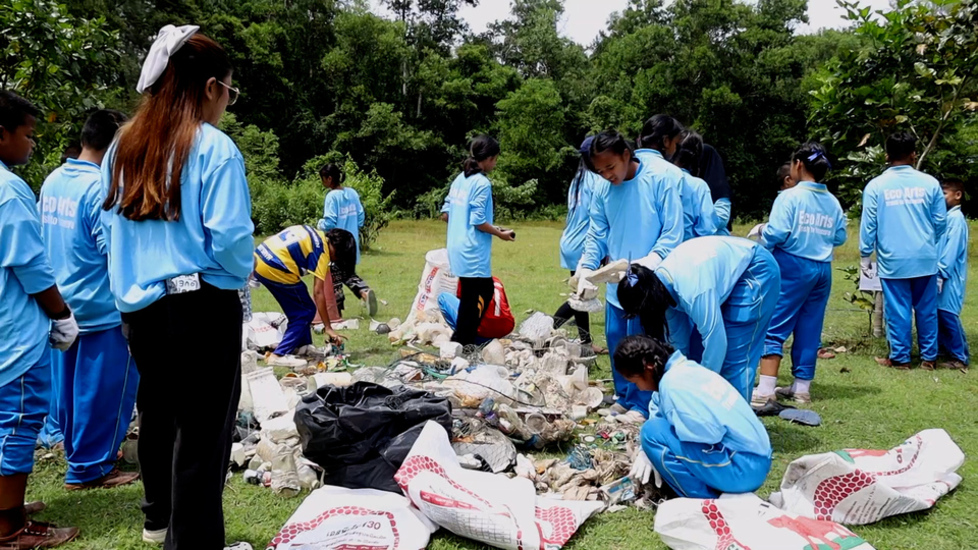
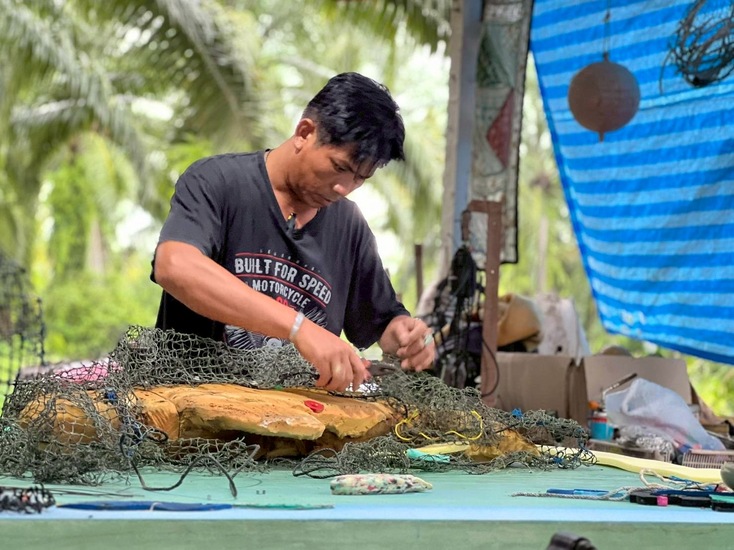
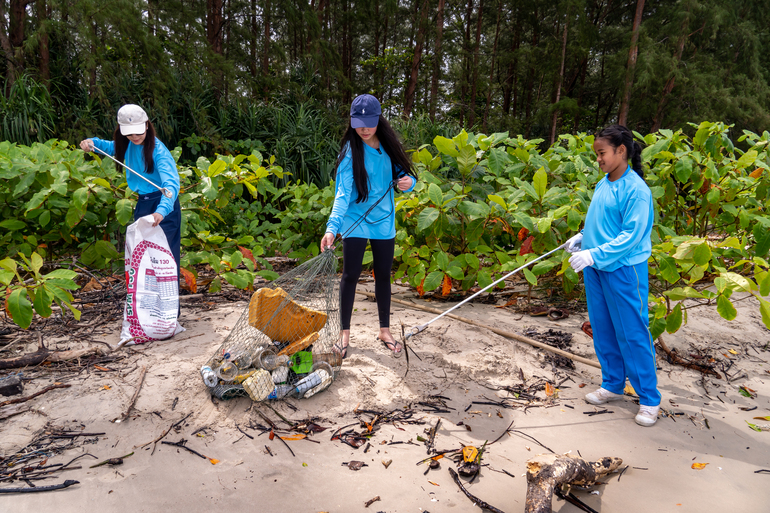
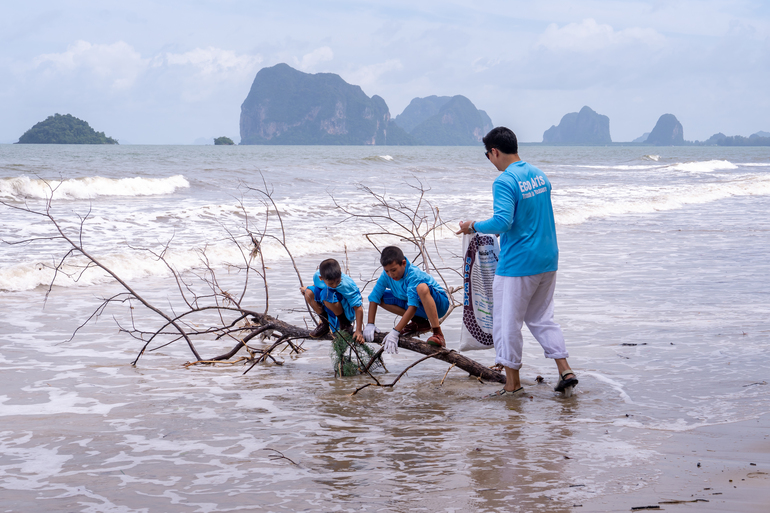
Through our projects, we have collected and repurposed various types of waste materials to create meaningful artworks.
Journey of Trash to Treasure
Final Creations
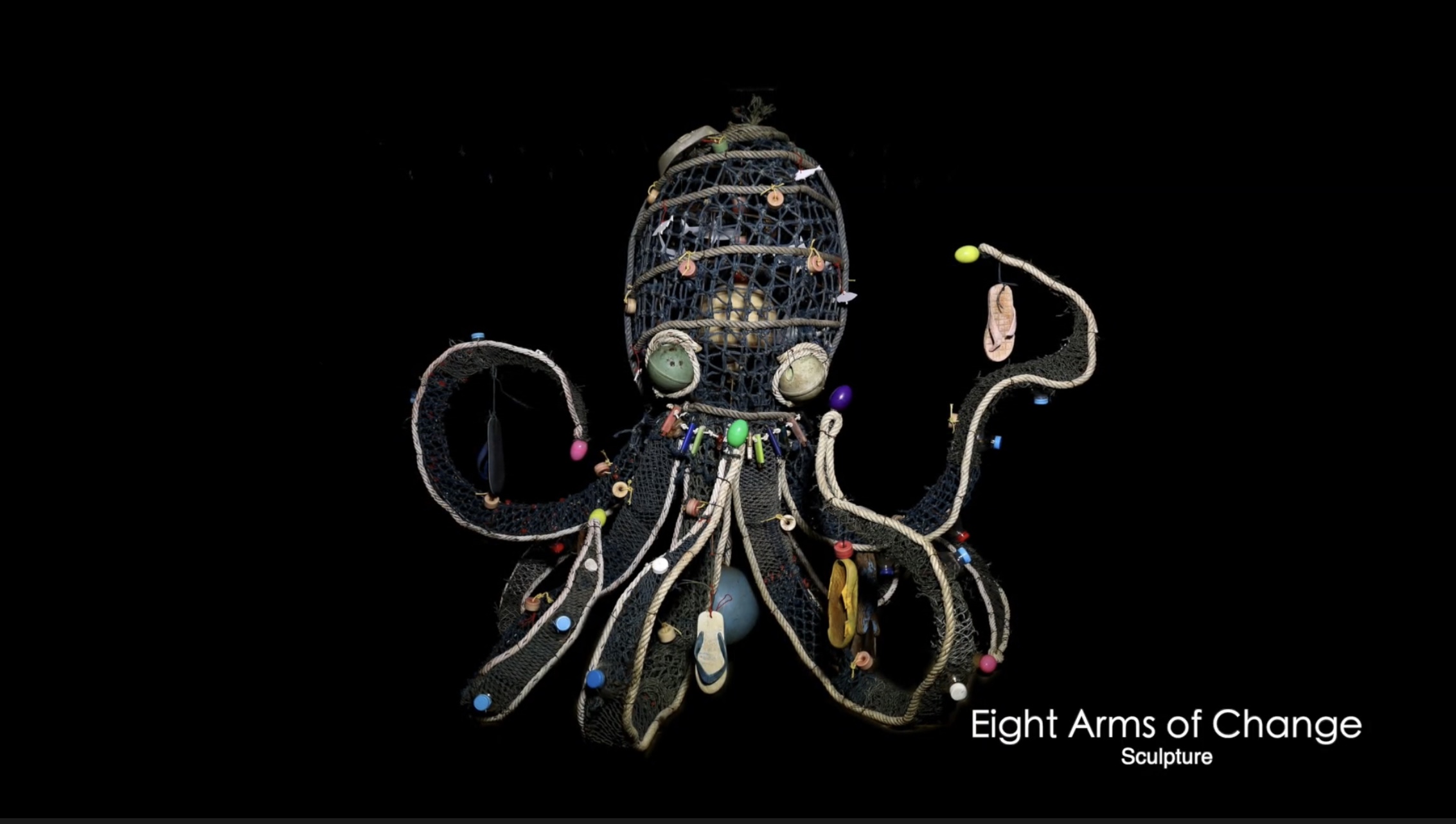
Eight Arms of Change
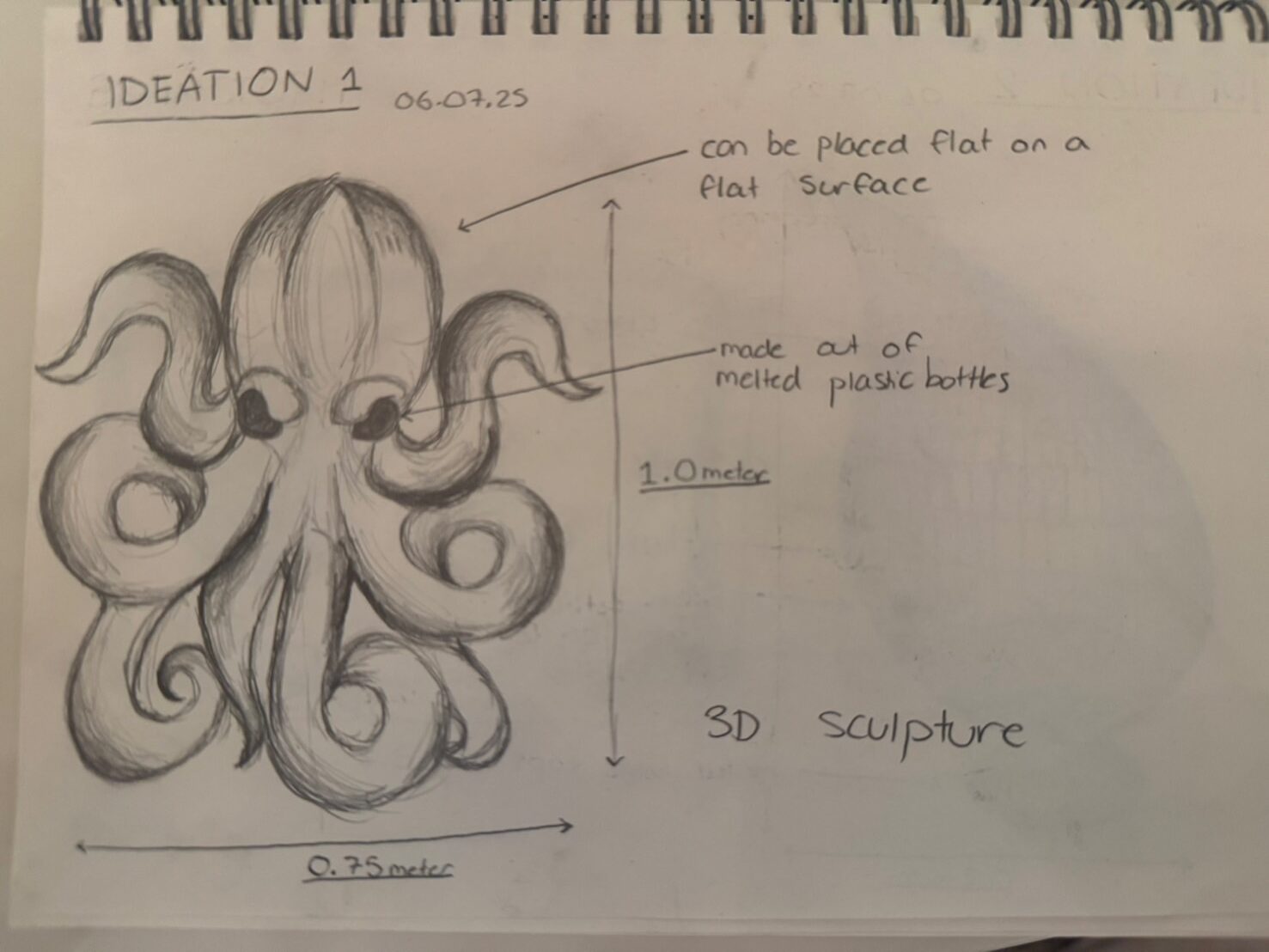
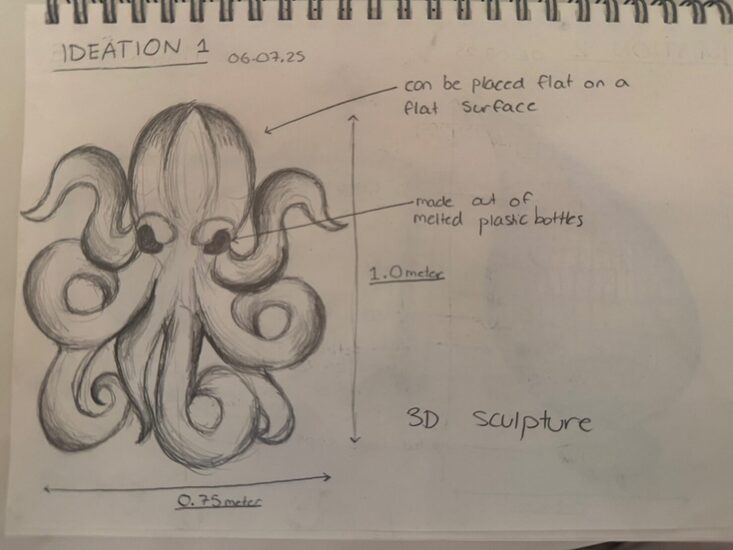
Eight Arms of Change” emerged from the reimagination of waste as a tangible symbol of resilience and transformation. Built from abandoned fishing nets, plastic debris, and marine litter, the sculpture takes the form of an octopus, and so represents intelligence, adaptability, and regeneration. Each arm represents a collective effort reaching toward change, community action, creativity, awareness, sustainability, restoration, education, innovation, and hope. While the entangled materials speak of suffocation and loss beneath the waves, the octopus’s strong form suggests life pushing back against pollution. Through this piece, we aim to invite viewers to reflect on their connection to the ocean and to recognize that, like the octopus, we too hold the power to reshape our environment through mindful action.
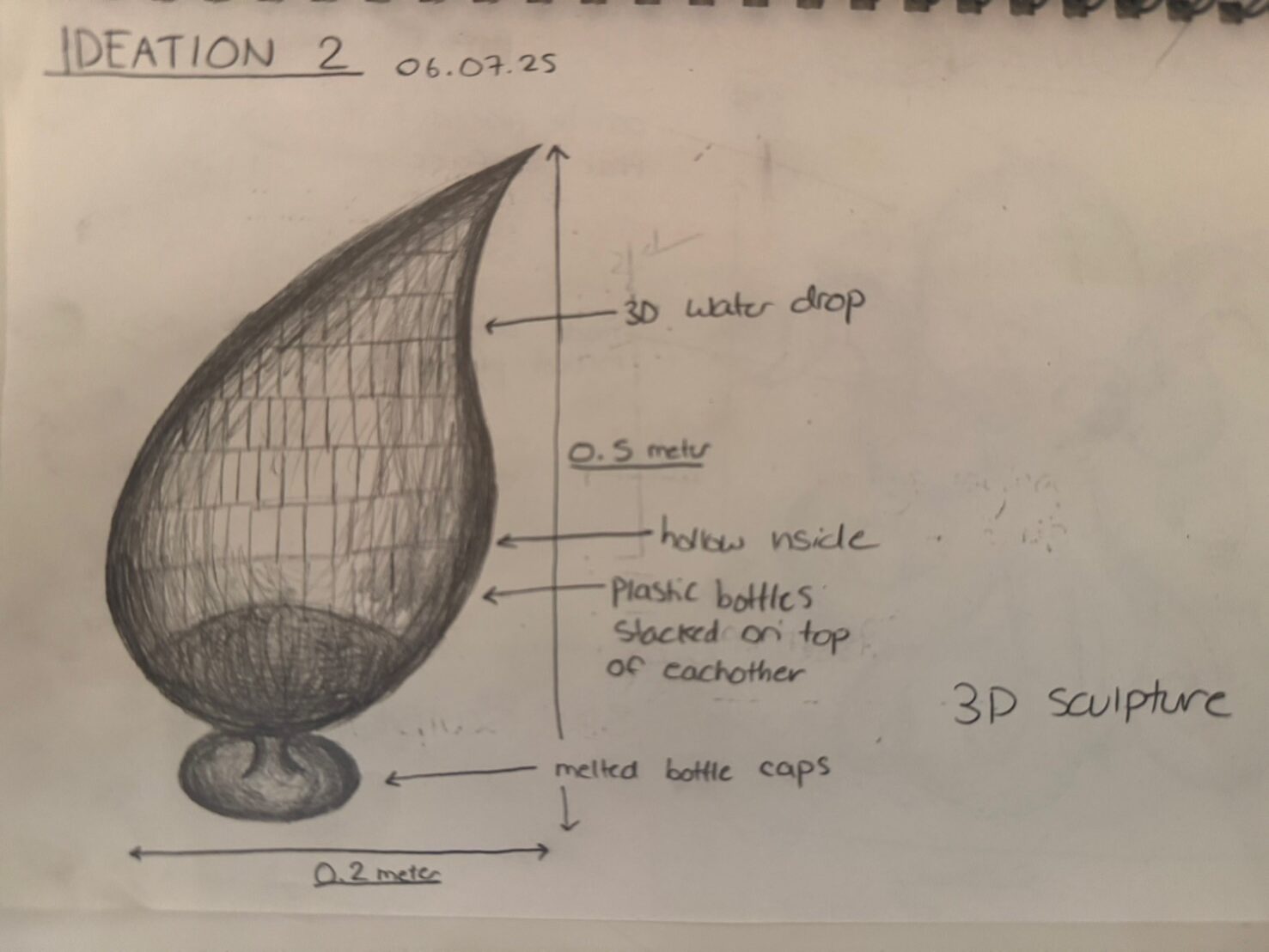
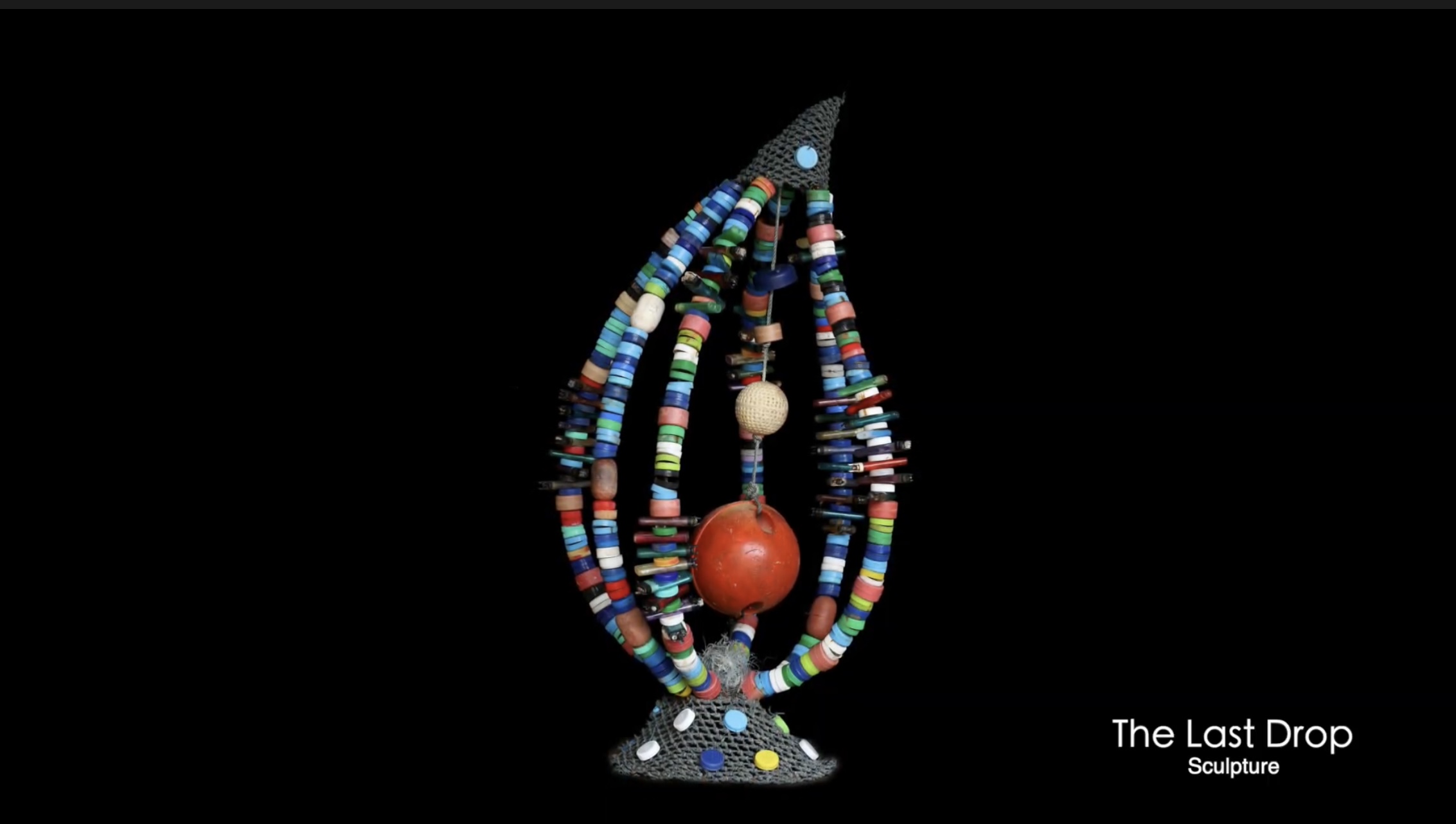
The Last Drop
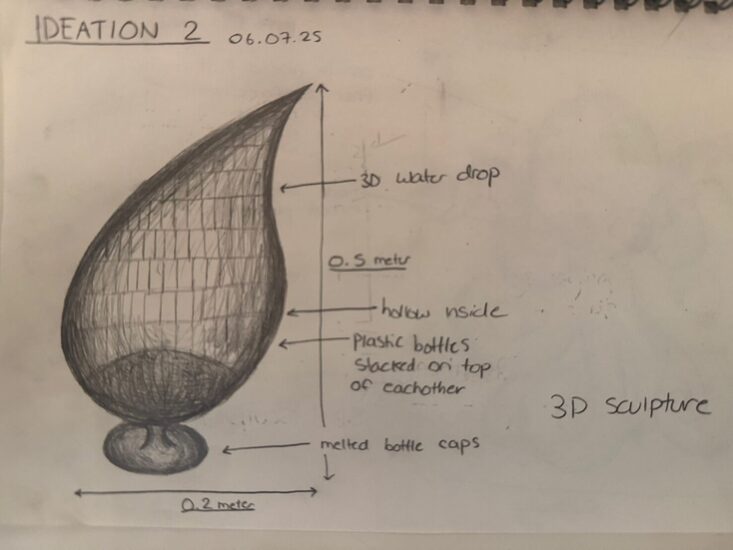
The Last Drop” was created with the intention of bringing the fragility of our planet’s relationship with plastic and water to light. This sculpture, constructed entirely from discarded plastic debris collected along the coastline of Trang province, transforms trash into a symbol. Its droplet-like form symbolizes the preciousness of every remaining drop of clean water, while the vibrant fragments evoke both the allure and the danger of plastic’s ubiquity. Through this piece, we aim to confront the viewer with a paradox where something visually captivating is created from waste that threatens the very oceans it once drifted through. Ultimately, this piece serves as a reminder that what we discard has the power to destroy, but also the potential to inspire renewal when reimagined with care and creativity.
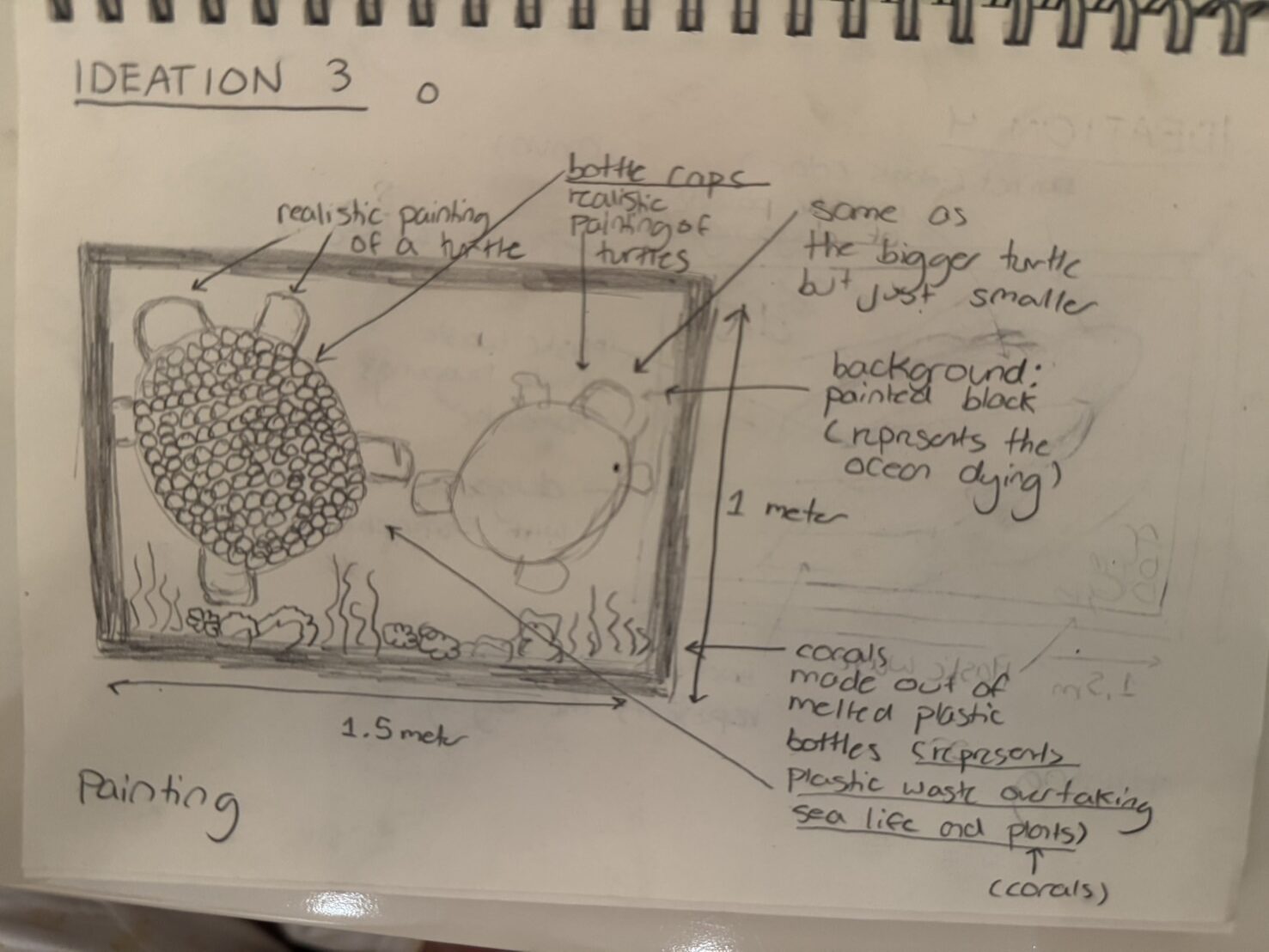
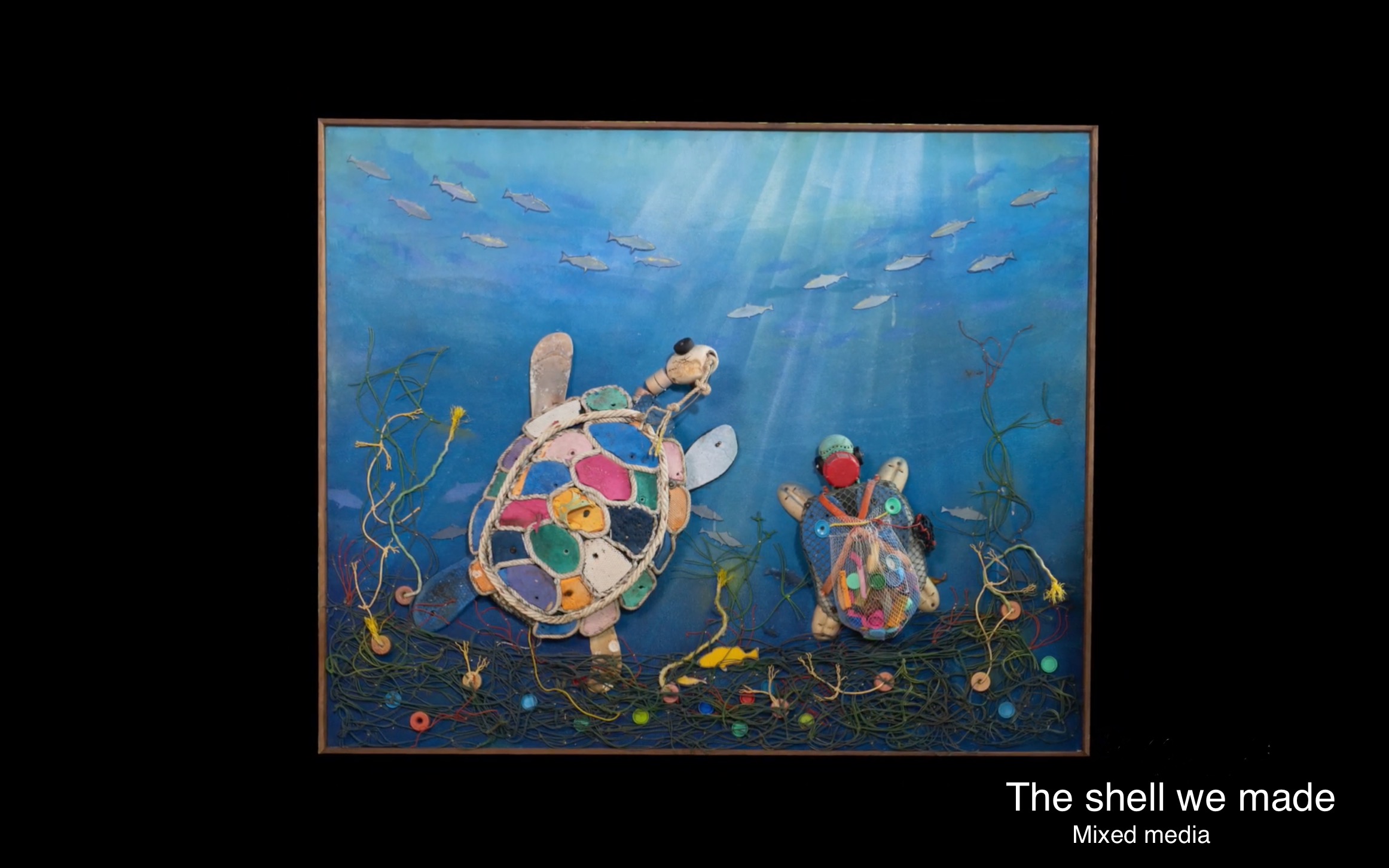
The Shell We Made
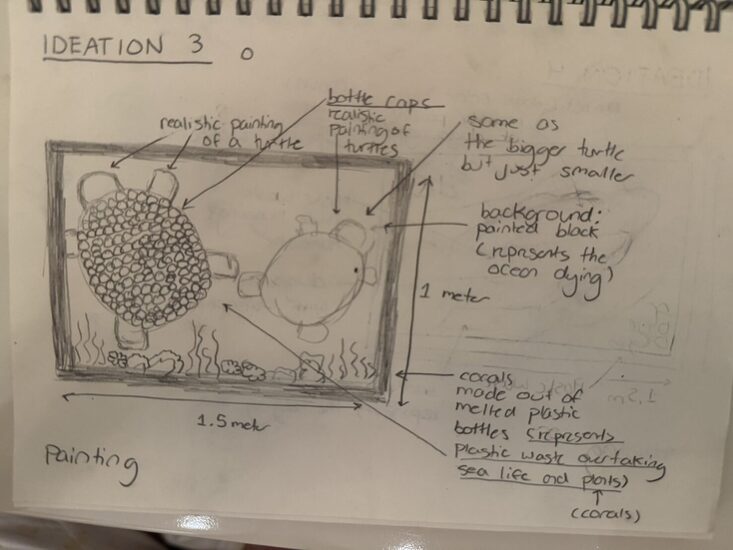
The Shell We Made” reflects on the paradox of protection and burden in the natural world. Constructed from upcycled plastic bottle caps and discarded plastic waste, the painting depicts a sea turtle whose shell is composed not of natural armor, but of human-made remnants. Each vibrant cap and fragment forms a mosaic of color and texture, simultaneously beautiful and unsettling, revealing how the very materials meant to serve convenience have become a weight upon marine life. By transforming discarded plastics into art, The Shell We Made bridges imagination and reality, urging viewers to see familiar waste in a new light. The turtle’s shell, once a symbol of resilience, now carries the imprint of human neglect through being a tangible reminder of society’s role in the growing crisis beneath the waves.
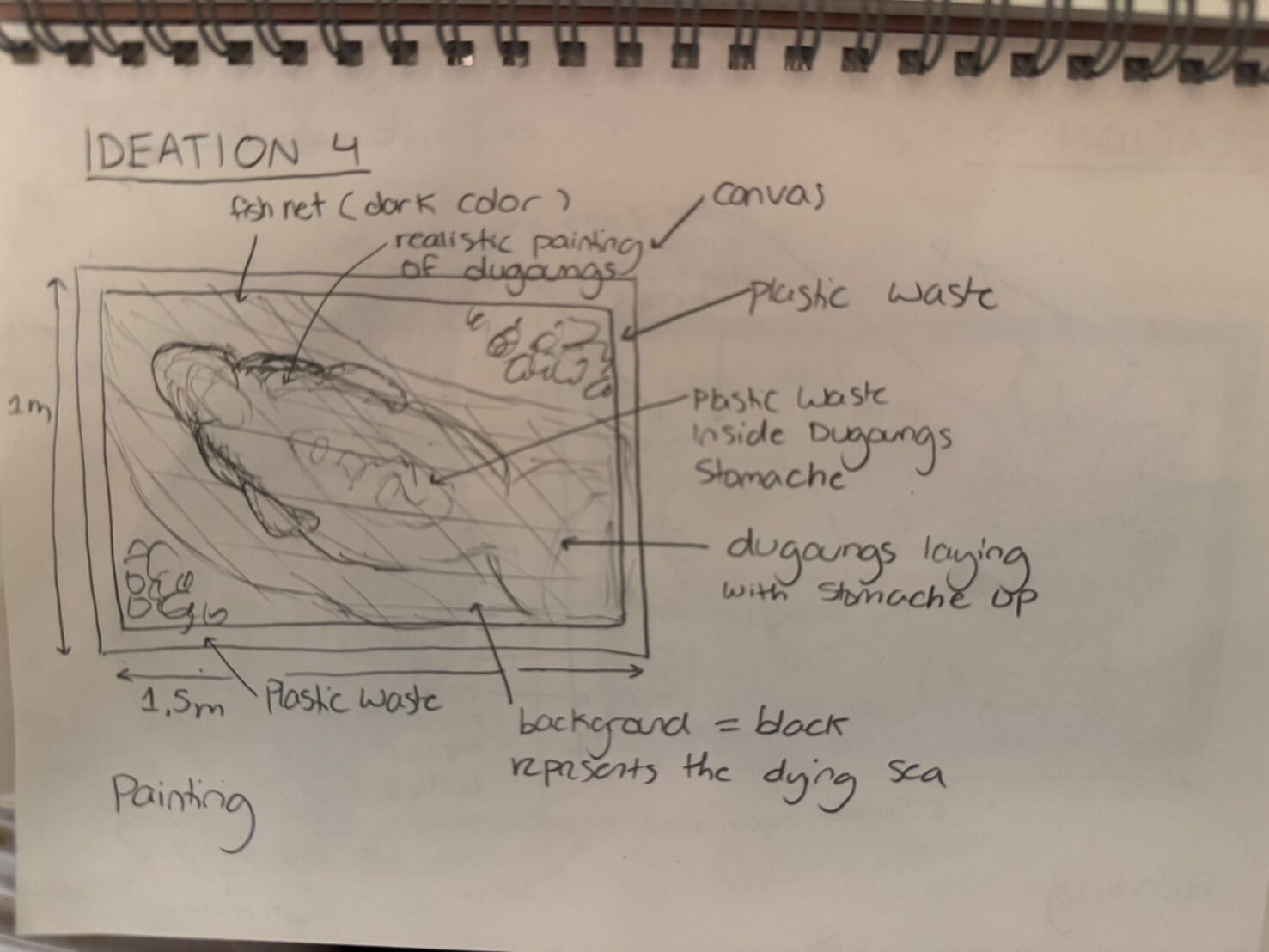
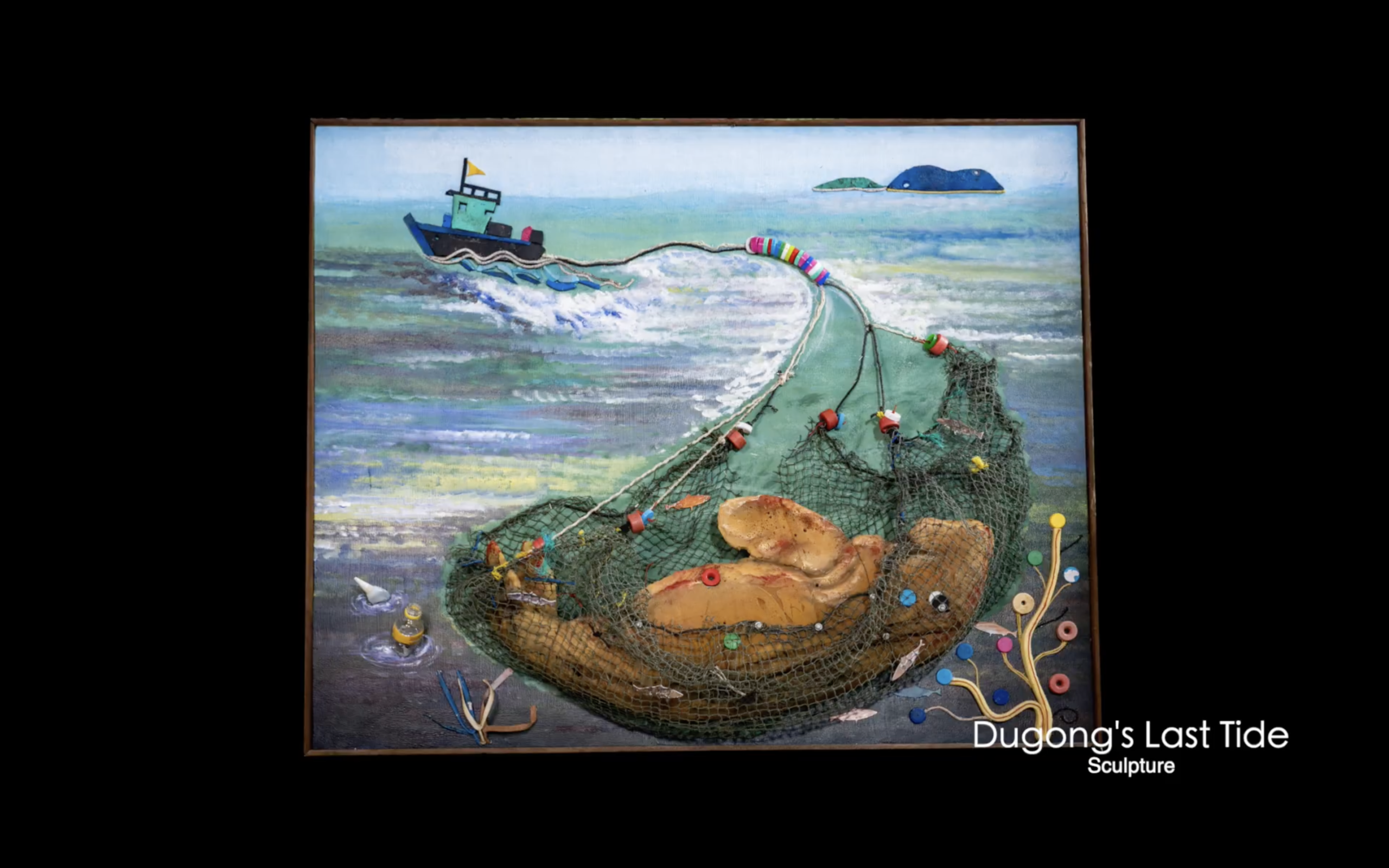
Dugong’s Last Tide
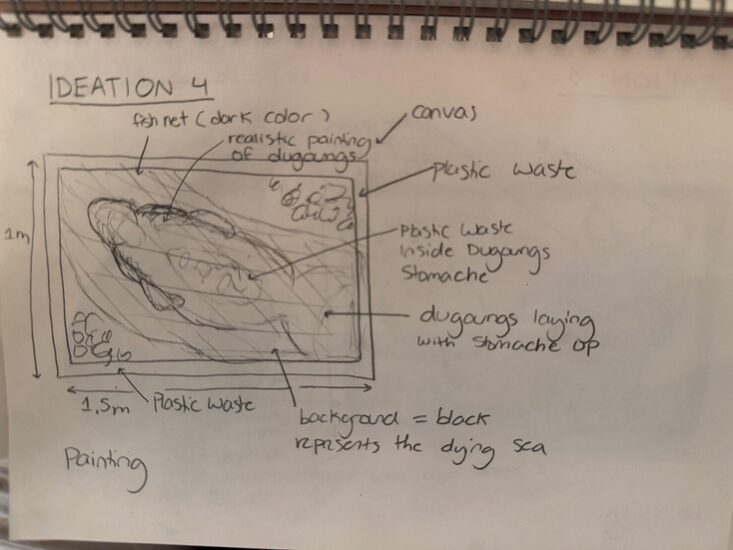
Dugoung’s Last Tide” tells a story of loss, entrapment, and fragile hope within the ocean’s depths. Created from found fishing nets, marine debris, and repurposed plastics, the piece depicts a dugong ensnared in a fishing net, capturing its final movement as a haunting moment between life and suffocation. The sea, once a sanctuary, becomes a space of struggle, mirroring the devastating impact of human negligence on marine life. By merging painting with real waste materials collected from the shore, this work bridges imagination and reality. This piece urges viewers to confront the true cost of convenience and to remember that every piece of plastic cast away finds its way back to the sea, to nature, and to us. Ultimately, we aim to urge viewers to protect what remains before the tide turns for good.
News and Updates
Team Members

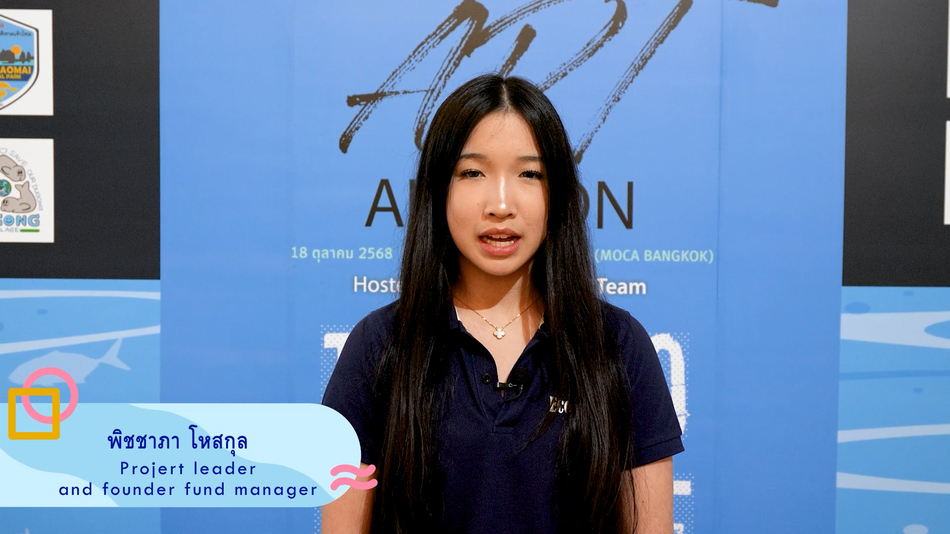
Pitchapa Hosakul : Peta
Project leader and founder fund
manager
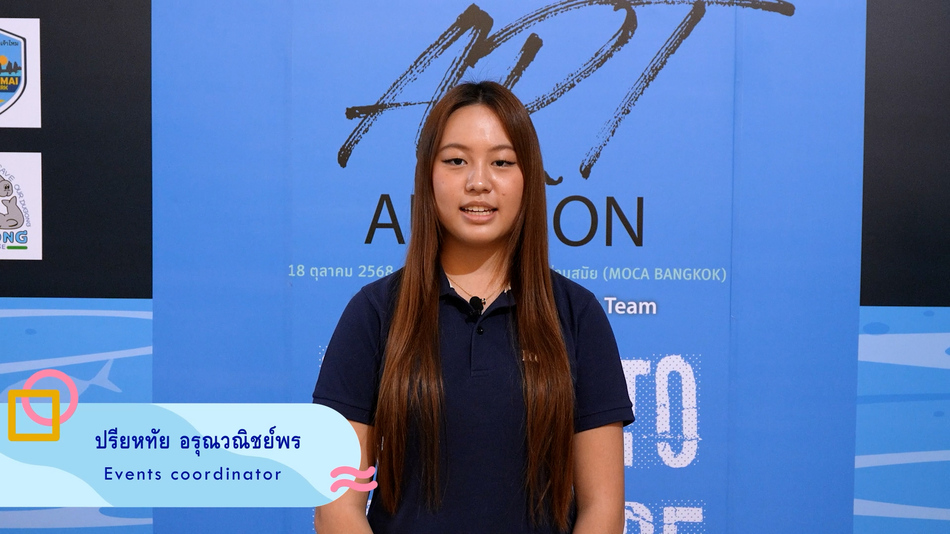
Preyahathai Aroonvanichporn : Homey
Events coordinator
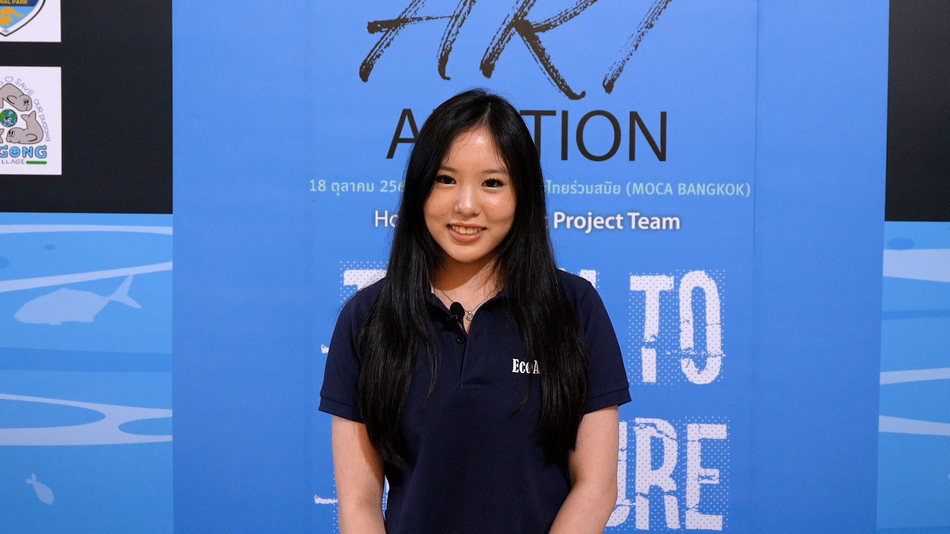
Rasa Bunditkitsada : Zedar
Community outreach
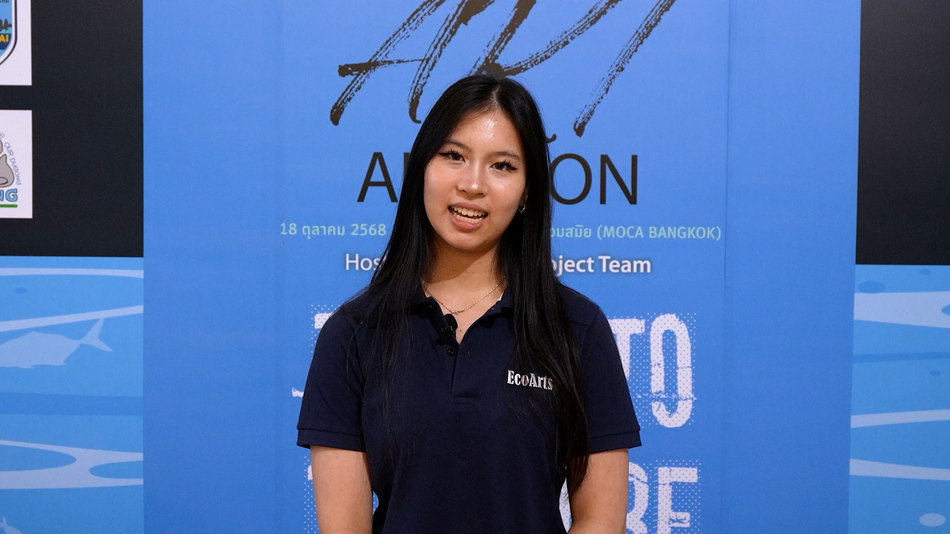
Pichanan Tengamnuay : Panna
Media communications
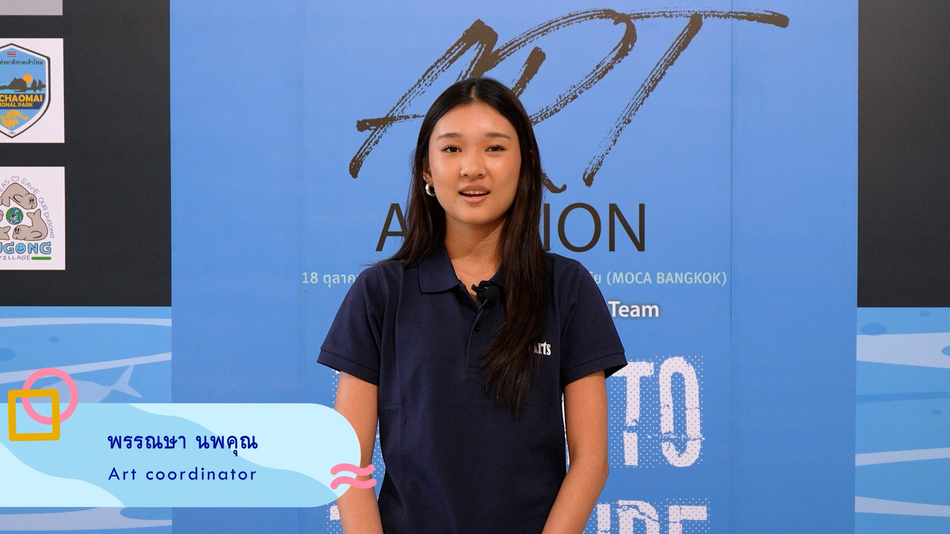
Panasa Nopakun: Plum
Art coordinator
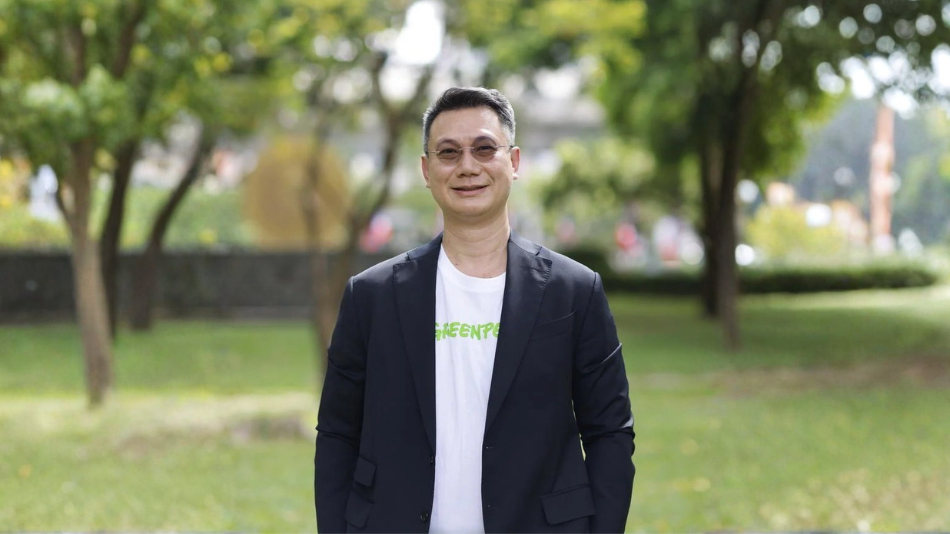
Veerawit Tianchainan
Executive Director Greenpeace
Southeast Asia (GPSEA) Project Advisor
Our Trusted Partners


GET IN TOUCH
Contact Us
Example@gmail.com
WEBSITE
www.ecoart2.ntcreatic.com